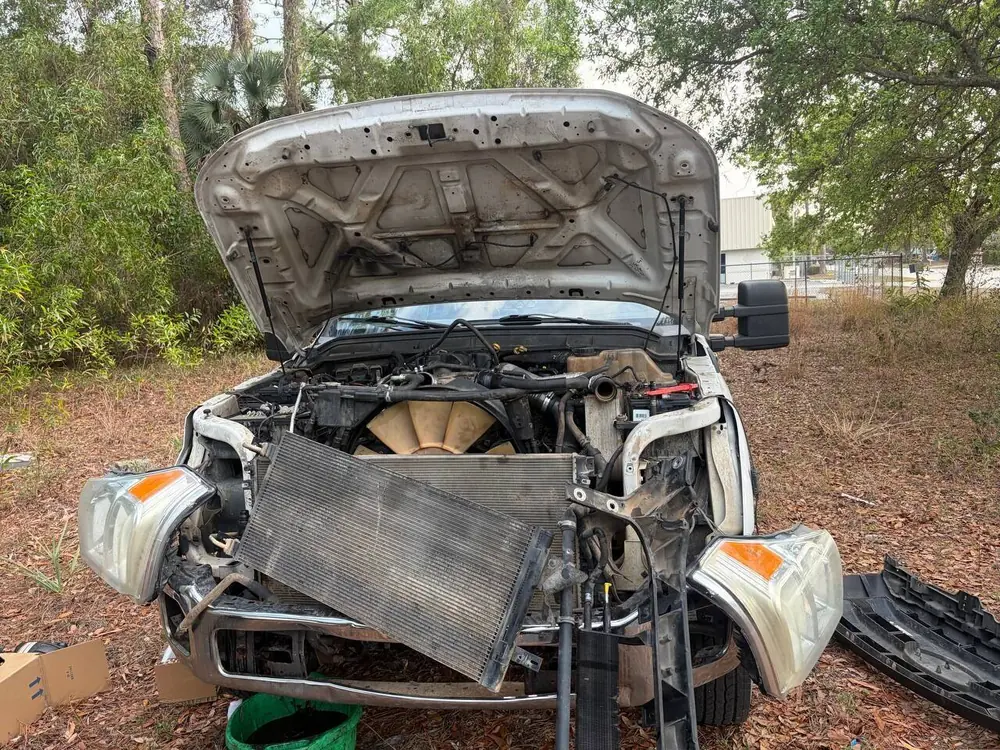
Every mechanic in Florida has met this truck: three new parts, same problem. Somebody read a code, bought the part the code seemed to name, and repeated the process until the money ran out. Here is what a proper diagnostic session does differently.
A code is a symptom, not a sentence
A fault code tells you which circuit or system reported a problem. It does not tell you why. A rail pressure code can mean a failing pump, a stuck regulator, a leaking injector, a restricted filter, or a wiring fault on the sensor that measures it, and four of those five fixes are cheaper than the pump everybody buys first. Two of them are electrical, not mechanical, which is exactly why the guess goes wrong.
The free code read at a parts counter shows the headline. A diagnosis reads the story around it.
What the scanner actually reads
A proper hookup pulls three layers. First, all of the codes: active, stored, and the ones other modules logged when the problem happened, not just the one on the dash. Second, freeze-frame data: what the engine was doing at the exact moment the fault set, which separates a cold-start problem from a full-load problem from a bump-in-the-road wiring problem. Third, live data: rail pressure, boost, temperatures, and sensor readings watched in real time while the engine runs, idles, and works.
On late-model diesels the aftertreatment system, DPF, DEF, EGR, gets its own chapter. Emissions faults trigger derates that park trucks, and they are also the most misdiagnosed systems on the machine. Reading them correctly, and explaining them in plain language, is half the value of the visit.
Why this beats the parts cannon
Guessing feels fast, but every wrong guess costs the part, the labor to install it, and another day of downtime, and the original problem is still there. Testing feels slow and is not: thirty to sixty minutes of methodical work usually names the actual fault. The cheapest part of any repair is knowing what is wrong.
What the $150 buys
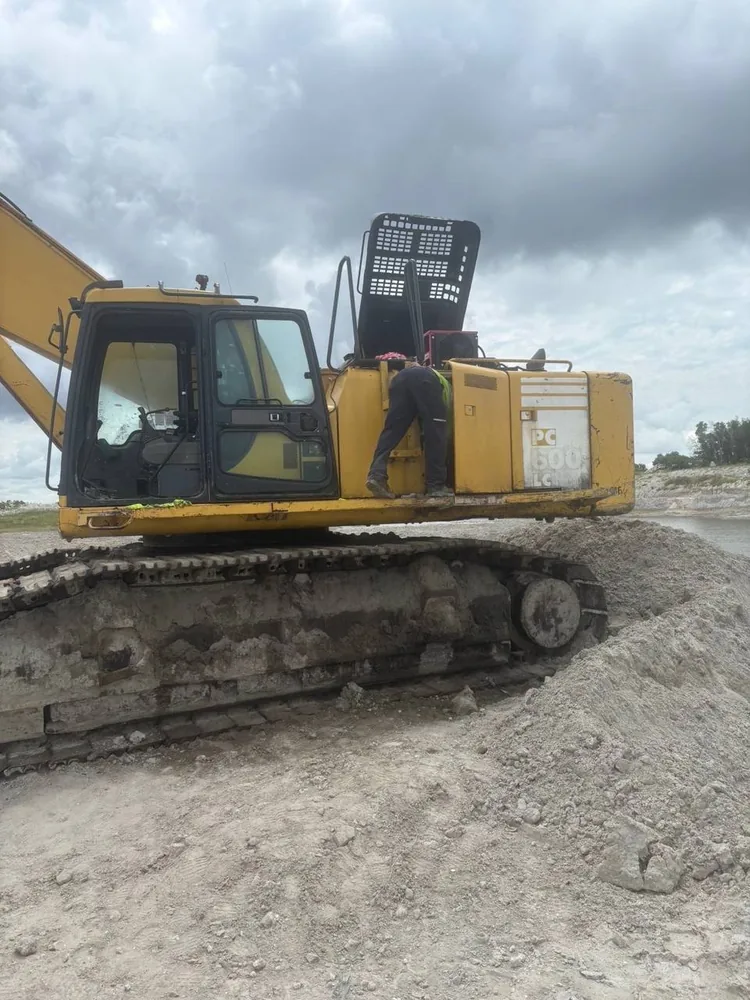
P&C's diagnostic hookup is $150 at your site, truck or heavy equipment. It covers the scanner session: full code reads with the data behind them, live readings as needed, and a plain-language explanation of what it means and what the fix costs at listed rates. The complete engine data is available on request, which is worth having for warranty disputes and resale. If the repair happens on the same visit, the diagnosis flows straight into the work. Before that, it is worth reading what a tow to a shop actually costs.
And sometimes the most valuable outcome is a no: the machine is fine, the fault is minor, or the repair is not worth the machine's value. You get that answer straight, because a diagnosis you can trust is the entire point.